A privacy-network destination can be online without being easy to find, and it can appear in a directory without being trustworthy, current, or reachable through every route. Darknet Proxy was designed for that space between publication and readership. Within the Invisible-Internet ecosystem, it represents the discovery and optional access layer.
The project’s source-controlled application makes that role concrete. It contains separate directory flows for I2P and Tor destinations, category and text search, owner-submitted listings, listing images, ratings and comments, favorites, reporting or contact actions, and a form that could send a destination through an intermediary proxy. Taken together, those features describe more than a list of links. They describe a system for adding context around privacy-network destinations.
This article examines that original intent and the controls a responsible restoration would require. It does not claim that every legacy feature is currently available. It also does not equate an intermediary view with native Tor or I2P access, or promise anonymity, traffic, or endorsement.
Discovery Records Need Context and Ownership
A raw onion address or I2P destination tells a reader very little about what waits behind it. A useful directory record can add a title, summary, category, image, network type, and the source of the listing. It can help a reader compare destinations without treating an unfamiliar string as self-explanatory.
Darknet Proxy’s listing workflow was built around submission and categorization. The application includes an Add Listing surface, category selection, image upload, preview, and later editing. That is important evidence of its intended model: the publisher or another submitter supplied a record, while the directory presented and organized it.
Submission alone does not establish authority. A person can copy an address, describe a project inaccurately, or leave a record behind after an operator rotates the destination. A restored directory would therefore need to distinguish at least three states: unverified submission, owner-controlled record, and independently reviewed status. “Listed” should never be presented as a synonym for “identity verified,” “safe,” or “available.”
Every record also needs a lifecycle. The minimum useful fields are not just title and address, but who may change the record, when the destination was last checked, how a correction is requested, and when the record should be retired. Screenshots or listing images need dates because appearance changes. Network addresses need authoritative update paths because stale records can misdirect readers or create opportunities for impersonation.
The indexed public Add Listing workflow corroborates the owner-submission model, while the source reveals the fuller structure behind it. The safest public description is therefore historical and specific: Darknet Proxy was designed to let people submit and browse categorized privacy-network destinations, with richer records than a bare address list.
Search and Community Signals Are Clues, Not Verdicts
Darknet Proxy’s directory code supports category browsing, keyword search, filters, sorting, featured records, and rating data. These tools address a real discovery problem: readers often know the subject they want before they know the exact destination. Categories and search turn a collection into something navigable.
Ratings, comments, and reviews add another layer of context. They can report that an address worked for a reader, describe what a site appeared to offer, or flag a mismatch between a record and the destination. Favorites let an account holder keep a personal shortlist. Contact and reporting actions create routes for questions, correction requests, and complaints.
Those signals are useful only when their provenance is visible. An owner-supplied description is a claim from the publisher. A user review is an account of one person’s experience. A directory check is an observation made at a particular time through a particular route. An abuse decision is a policy outcome. Combining all four into one undifferentiated “trusted” badge would hide the information a reader actually needs.
Moderation is therefore part of the product, not an administrative afterthought. Reviews can be manipulated, retaliatory, stale, or unsafe to publish. Reports may concern the listing, the destination, a proxy response, or content on the origin. Darknet Proxy’s public abuse-process material shows that reporting and process were part of the project’s public surface. A modern version should route each report to the party capable of investigating it and keep the directory’s decision separate from claims about the origin operator.
Record freshness is just as important as moderation. A status should say what was checked: DNS or address format, a native-network request, an intermediary request, or only the submitter’s ownership token. The check date, method, and result should be visible enough to prevent an old observation from masquerading as a current guarantee.
Optional Proxy Access Changes the Trust Boundary
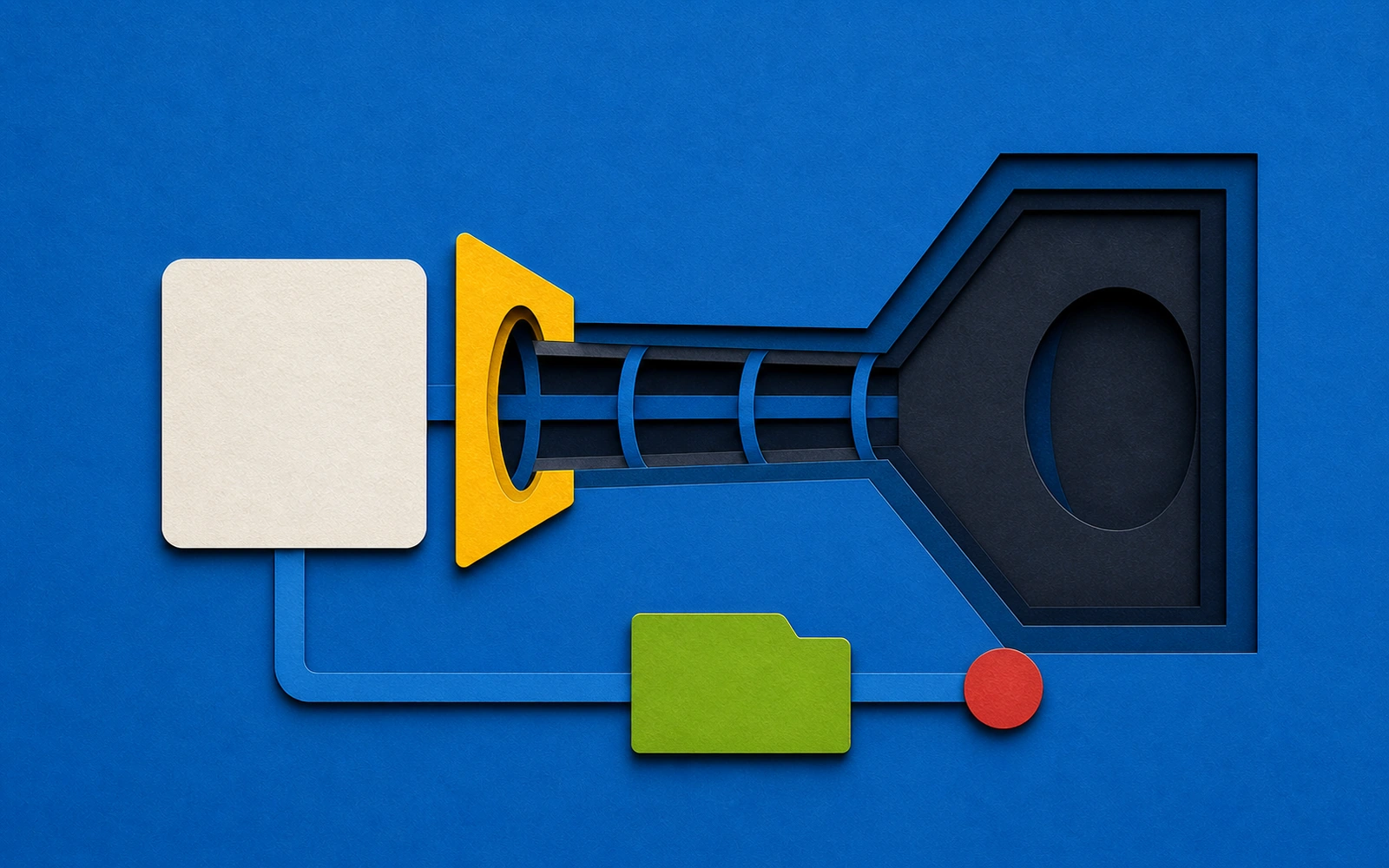
The legacy interface included a form constrained to .i2p or .onion destinations, and the source includes an intermediary proxy application. That capability fits the project name, but it needs precise language. A proxy can accept a reader’s request and fetch toward a destination on the reader’s behalf. It is not the same path as the reader operating a native Tor or I2P client.
Tor onion services are designed to be reached through the Tor network. I2P destinations likewise rely on I2P software, tunnels, and naming conventions. In native use, the reader participates in the relevant network model. With an intermediary, the intermediary becomes a separate party that may handle request metadata, caching, errors, filtering, and abuse controls according to its own implementation and policy.
That does not make intermediary access inherently useless. It can help a reader understand a public-interest destination before configuring a client, or give a directory a constrained preview path. The interface must state the route plainly, avoid an anonymity guarantee, and never imply that a proxied view proves the origin works natively for every reader.
The trust boundary also affects publishers. A proxy may transform pages, omit scripts, rewrite links, cache old content, or display its own error. The publication remains canonical at the operator-controlled destination. The directory record should identify the original network address and label an intermediary view as a convenience route rather than the source.
This is also where Darknet Proxy must remain separate from Invisible-Internet’s documented Dark Web Gateway. The Gateway is a private, managed path for an approved customer workflow; it is not a public open proxy. Darknet Proxy’s historical project surface explored wider discovery and optional access. Similar words do not erase the different audience, policy, and trust model.
How Darknet Proxy Fits—and How It Could Return
The ecosystem separates work that conventional web platforms often blur. Invisible-Internet handles infrastructure, support, and process. Darknet Now focuses on creating and preparing a publication. Darknet Proxy begins after a destination exists, helping readers discover a candidate, evaluate its record, and choose an access route. The directory does not become the host, and the host does not silently enroll a customer in public discovery.
A responsible restoration should preserve the rich directory idea while rebuilding its trust and freshness model:
- Owner-controlled submissions: a documented way to prove control, update an address, transfer responsibility, or remove a record.
- Network-aware records: explicit Tor or I2P type, canonical destination, authoritative announcement source, and separate native and intermediary status.
- Dated evidence: screenshots, availability observations, and review summaries labeled with when and how they were collected.
- Clear provenance: owner statements, user reviews, automated checks, moderator notes, and directory decisions rendered as different kinds of information.
- Report routing: dedicated paths for impersonation, stale addresses, privacy exposure, review disputes, access-path errors, and origin-content complaints.
- Lifecycle controls: recheck intervals, stale warnings, correction history, quarantine, and retirement rather than permanent undated listings.
Optional proxy access would need its own restoration gate. It should be deployed only after its request handling, logging, caching, abuse controls, content rewriting, and user-facing limitations are documented and tested. A directory can still provide valuable discovery without enabling an intermediary route on day one.
This staged approach makes future potential credible. First restore accurate, owner-controlled records. Then add community signals with moderation. Only then evaluate whether an intermediary path serves a defined audience without obscuring its trust cost.
Practical Takeaway
Before requesting or approving a privacy-network listing, create a one-page visibility brief. Record the canonical destination, network type, authoritative announcement, listing owner, intended audience, approved description, image date, correction contact, and retirement condition.
Then answer five questions:
- Can the publisher prove control and remove or correct the record?
- Does the page distinguish owner claims, user reviews, automated checks, and moderator decisions?
- Is the last-check date paired with the route and method that were actually tested?
- Does any access button clearly distinguish native network use from intermediary access?
- Who owns reports about the listing, the review, the intermediary route, and the origin?
Use the narrowest visibility route that serves the intended reader. A direct address shared through a trusted channel may be enough. If a directory is useful, maintain the record as carefully as the publication it describes. If an intermediary is offered, tell readers what changes in the route.
Darknet Proxy’s strongest idea is not effortless access or automatic exposure. It is deliberate discovery: current records, visible provenance, optional routes, and enough context for a reader to understand what the directory knows—and what it does not.
Sources and Further Reading
- Invisible-Internet: Company Project Spotlights and Our Ecosystem
- Invisible-Internet Docs: Darknet Proxy Visibility and Reviews
- Invisible-Internet Docs: How the Invisible-Internet Services Work Together
- Invisible-Internet Article: Discovery Without Default Exposure
- Tor Project: Onion Services Overview
- Tor Project: Onion Service Client Authorization
- I2P Project: Introduction to I2P
- I2P Project: Getting Started